
Riga’s religious history begins in the medieval period, when the city emerged as a critical hub of the Hanseatic League. Early settlers, predominantly German merchants and clergy, established Lutheran and Catholic communities, constructing churches that served both spiritual and civic functions. These early buildings often reflected Gothic architectural traditions imported from Northern Europe, characterized by soaring spires, pointed arches, and intricate stonework.
Over time, the city’s religious landscape diversified. Orthodox communities arrived under Russian influence, while smaller denominations, including Reformed, Baptist, and Methodist congregations, emerged in response to local needs and migrations. The Baroque period, spanning the 17th and 18th centuries, introduced grander interior decoration, ornate altars, and elaborate facades, reflecting both ecclesiastical ambition and civic pride. Each church became a marker of the community it served, often functioning as a social center, charitable hub, and repository of artistic treasures.
The architectural fabric of these early communities reflects the layering of cultural influences. Gothic churches coexist with Baroque modifications, Neo-Gothic renovations, and eventually Art Nouveau embellishments, creating a visual narrative of Riga’s evolving urban identity. The historical significance of these sites extends beyond aesthetics; they provide insight into the city’s population movements, social hierarchies, and political allegiances over centuries.
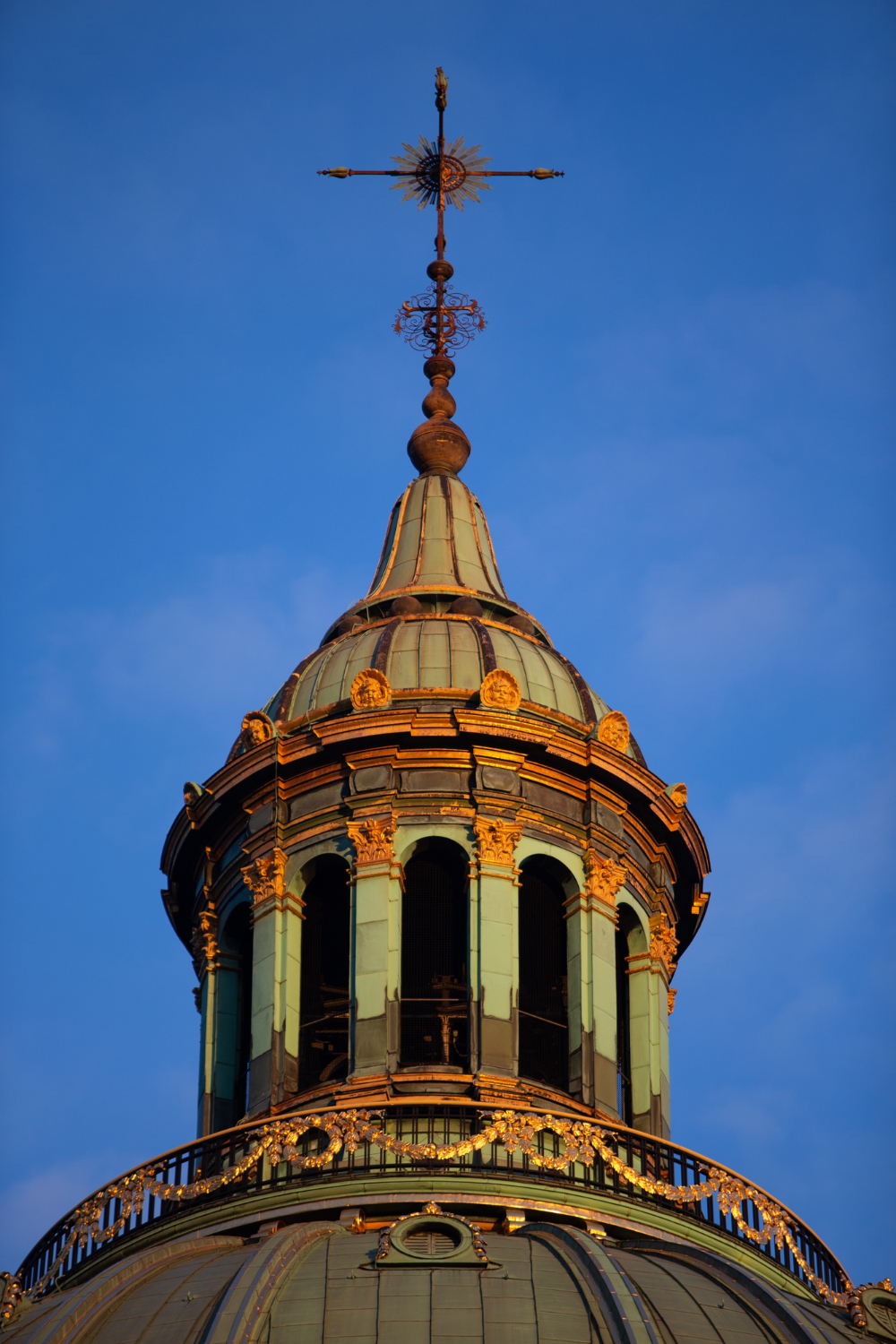
By the 19th century, Riga had become a city of remarkable religious pluralism. Lutheran churches dominated the urban core, Catholic churches flourished in certain districts, and Orthodox congregations expanded under Russian imperial influence. This period also saw the rise of smaller religious movements, reflecting broader European trends toward religious reform and diversification. Churches were not merely sites of worship but focal points for education, social organization, and civic engagement. Architectural details, such as the combination of Gothic forms with Baroque ornamentation or the use of stained glass depicting local saints and events, provide evidence of the intersection of local culture with international stylistic trends.
©2025. All Rights Reserved.
Designed by WiFight