The Soviet period (1940–1991) represents one of the most disruptive eras in Riga’s religious history. Following Latvia’s incorporation into the USSR, the state pursued an aggressive program of secularization, aimed at suppressing organized religion and repurposing or demolishing sacred buildings. Churches were closed, religious instruction was banned, and clergy faced harassment or exile. Notable closures included the Nativity of Christ Cathedral in 1961, reflecting broader anti-religious campaigns under Khrushchev.
Despite these challenges, communities found ways to preserve religious traditions and cultural memory. Private gatherings, informal worship, and clandestine preservation of religious artifacts ensured continuity amid oppression. Churches that remained operational often had restricted functions, yet they served as symbolic anchors of communal identity, connecting generations to a shared spiritual and cultural heritage.
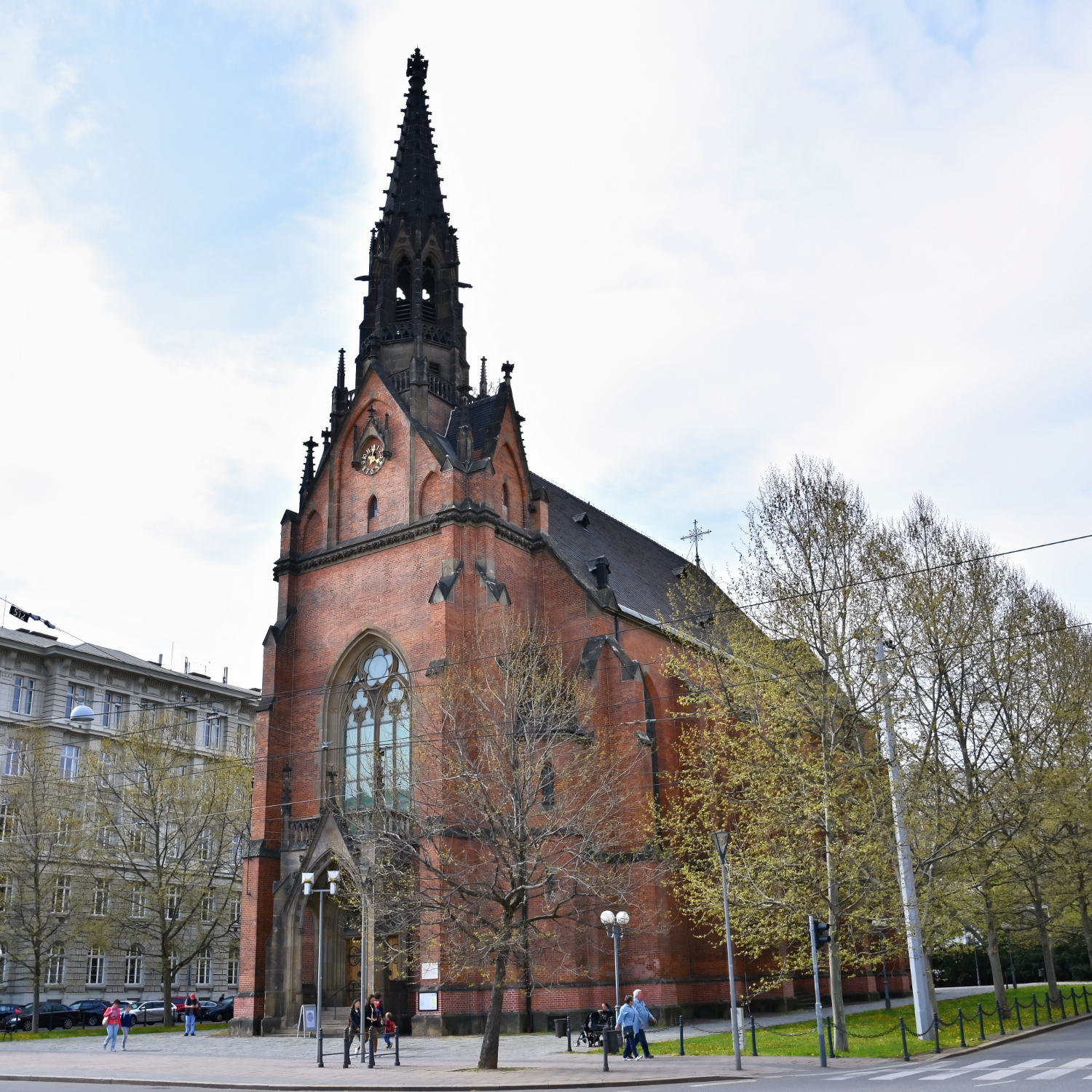
The architectural consequences of Soviet policies were profound. Many historical interiors were stripped of ornamentation, altars removed, and decorative elements destroyed or neglected. Repurposed buildings often served secular functions, from warehouses to sports halls, resulting in structural modifications and partial degradation of historical features. Urban maps of this period show shifts in the distribution of active religious sites, reflecting both physical closures and demographic displacement.
The Soviet era also accelerated demographic and social changes that affected Riga’s religious communities. Forced migrations, wartime destruction, and urban restructuring altered parish boundaries, congregation sizes, and patterns of religious observance. By the late 1980s, many churches were physically intact but spiritually dormant, awaiting the post-independence revival that would restore both function and significance.
©2025. All Rights Reserved.
Designed by WiFight