Lutheranism originated in the 16th-century Reformation and is the dominant Christian tradition in Latvia. It emphasizes salvation by faith, the authority of Scripture, and worship that combines preaching with traditional liturgy. Lutheran churches in Latvia play an important role in national history, culture, and music.
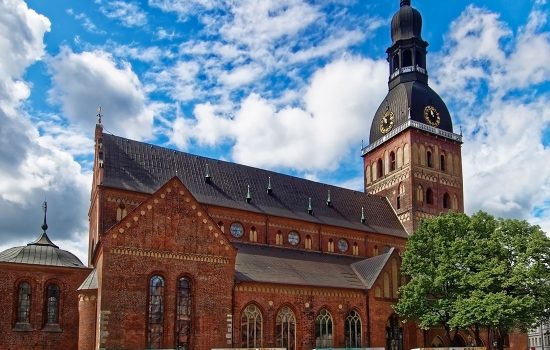
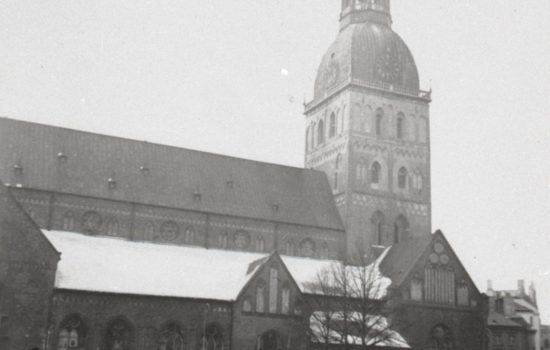
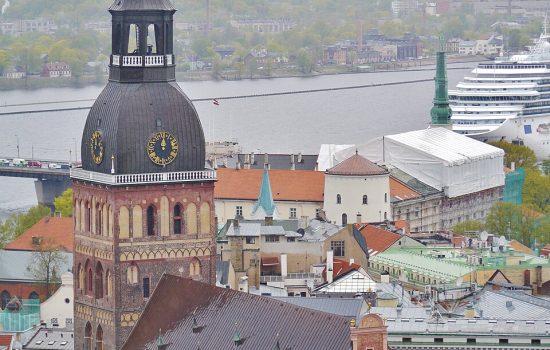
Founded in 1211, Riga Cathedral is the largest medieval church in the Baltic states and one of Latvia’s most significant religious and cultural landmarks. Originally Catholic and later becoming Lutheran during the Reformation, the cathedral reflects centuries of architectural development, combining Romanesque, Gothic, Baroque, and Art Nouveau elements. It is internationally renowned for its monumental pipe organ, one of the largest in Europe, and functions both as a place of worship and a major concert venue.
Activity:Active (services), also concerts & tower viewing
Architecture:Gothic basilica
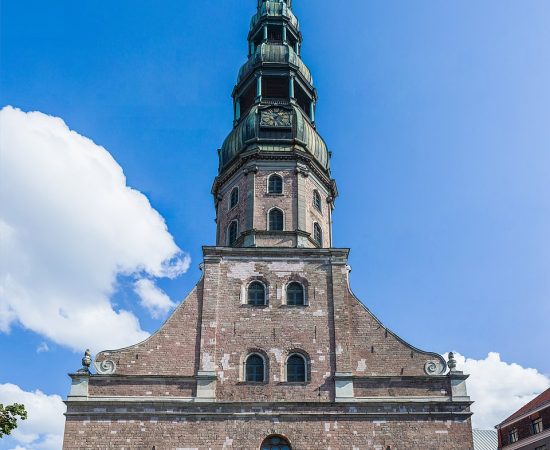
St. Peter’s Church is a prominent Lutheran church and a defining feature of Riga’s skyline. First mentioned in the early 13th century, the church has been rebuilt multiple times due to fires and war damage. Its tall spire, rising over Old Riga, offers panoramic views of the city and the Daugava River. While still used for worship, St. Peter’s Church also serves as a cultural and exhibition space, reflecting its dual role as a religious and historic monument.
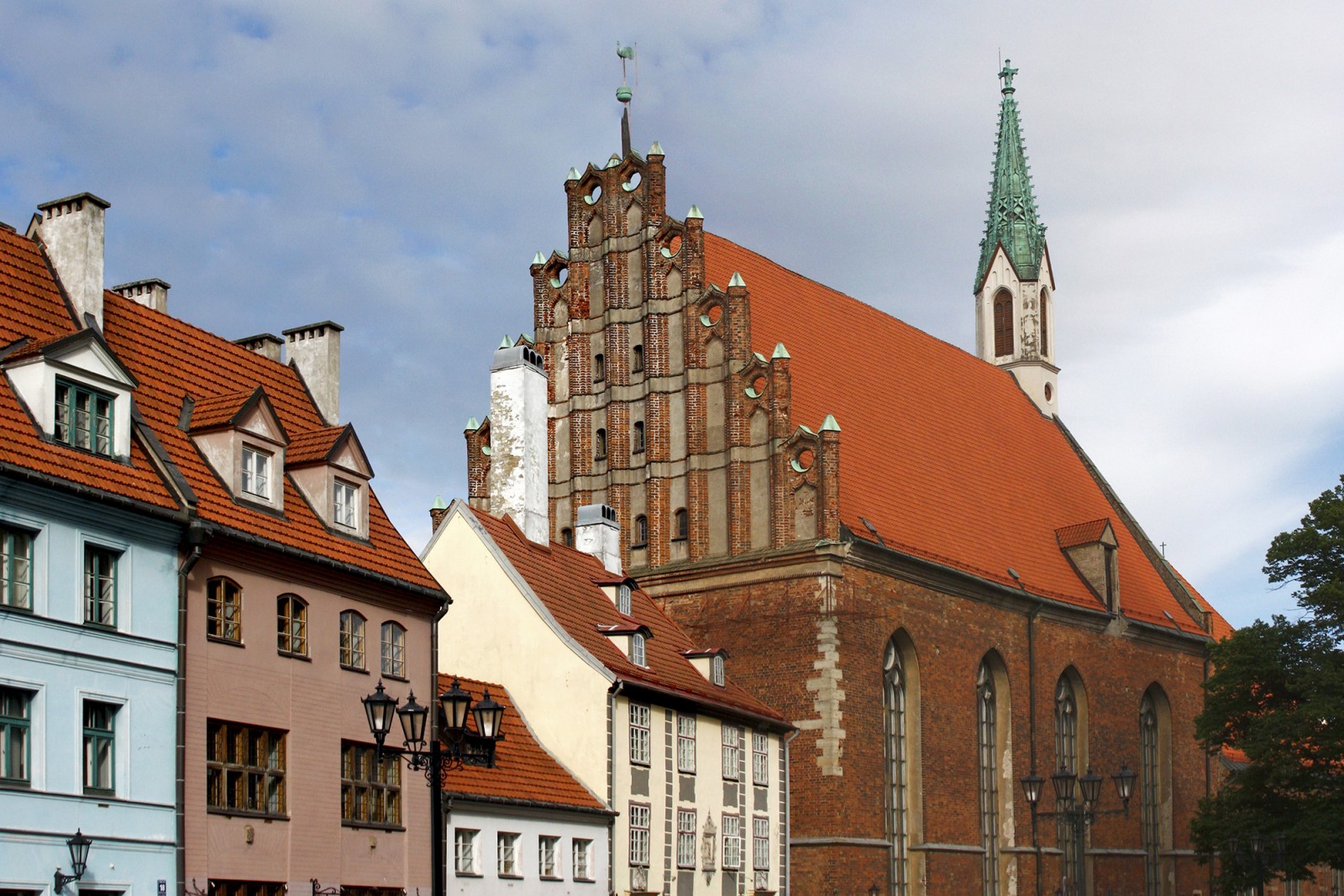
St. John’s Church is a Lutheran church with roots in a former Dominican monastery dating back to the 13th century. Over time, it evolved into a parish church and gained distinctive architectural features, including decorative sculptures and stained glass windows from different periods. Located in Old Riga, the church is known for its intimate atmosphere, artistic interior, and active role in church music, concerts, and cultural events.
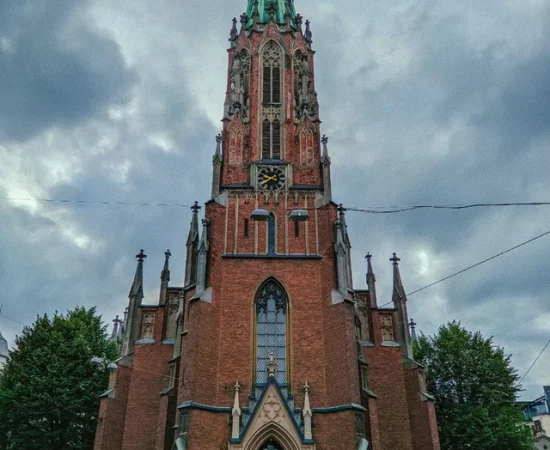
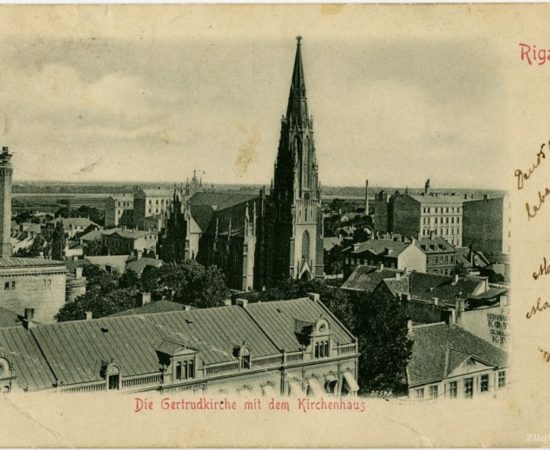
Old St. Gertrude’s Church is a Lutheran church that has long served the growing city outside Riga’s medieval walls. The current Neo-Gothic building dates from the late 19th century and was constructed to accommodate an expanding congregation. Historically associated with German-speaking Lutherans, the church remains an active parish today, known for its community life, music traditions, and charitable work.