The Eastern Orthodox tradition has been a significant presence in Riga since the Russian Empire era. These churches are characterized by traditional Orthodox architectural forms, including domes, iconostasis, and Byzantine-influenced decorations. Many were suppressed or repurposed during the Soviet era but have been restored in recent decades.
The Eastern Orthodox churches in Riga are not only spiritual centers but also cultural landmarks, showcasing elaborate iconography, domed ceilings, and richly adorned interiors. Visiting these sites offers insight into centuries of religious tradition and resilience under changing political regimes.
Location: 126 Krišjāņa Barona iela
Activity: Active
Architecture: Orthodox cathedral architecture
Holy Trinity Orthodox Cathedral is one of Riga’s significant Orthodox churches and an important spiritual center for the city’s Orthodox Christian community. Built in the early 20th century, the cathedral reflects traditional Orthodox architectural forms, with a prominent dome and a richly decorated interior featuring icons and liturgical art. The cathedral serves as a place for major religious celebrations, regular worship services, and church events, and it plays a key role in preserving Orthodox religious traditions within Latvia’s multicultural religious landscape.
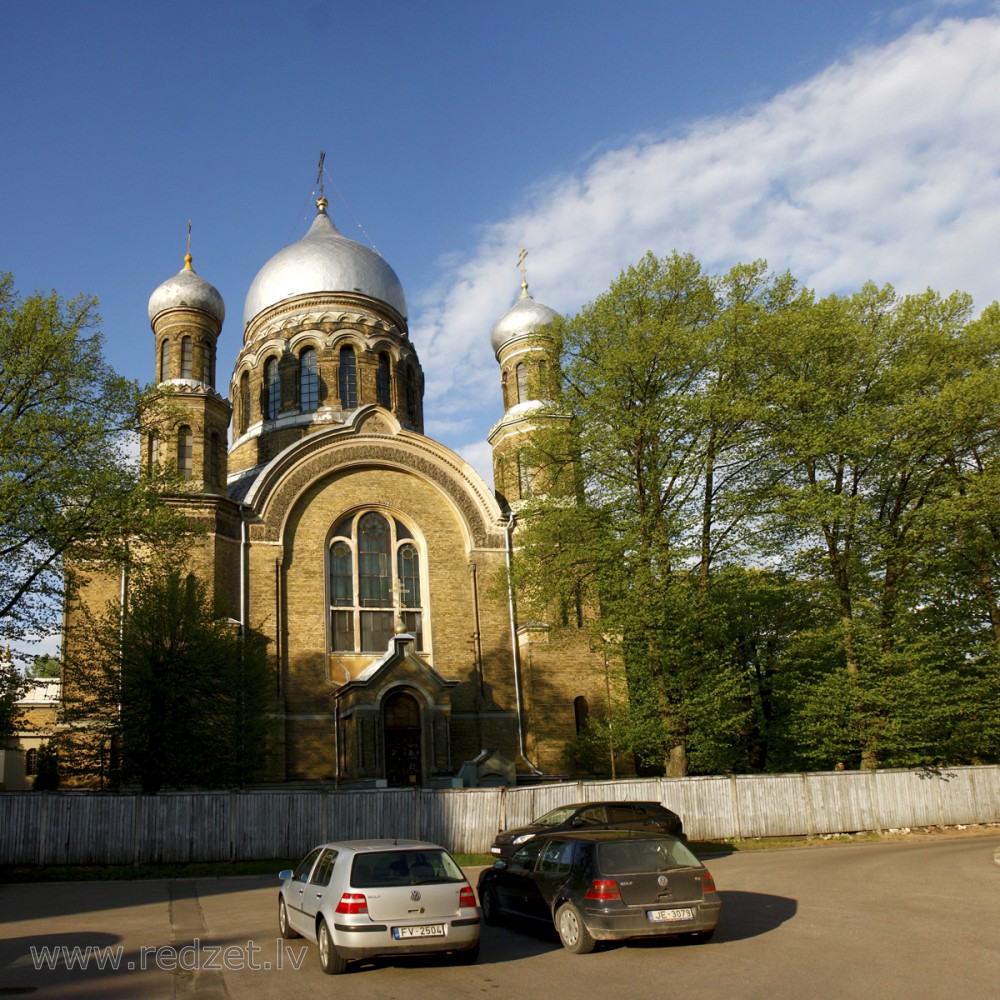
Location: Brīvības bulvāris / Esplanāde
Activity: Active, restored after Soviet-era repurposing
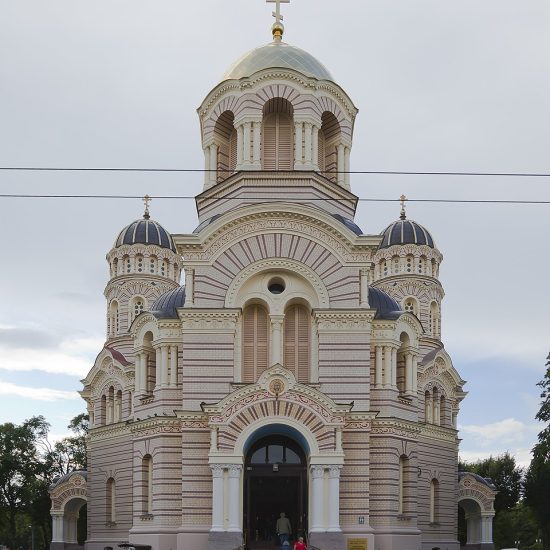
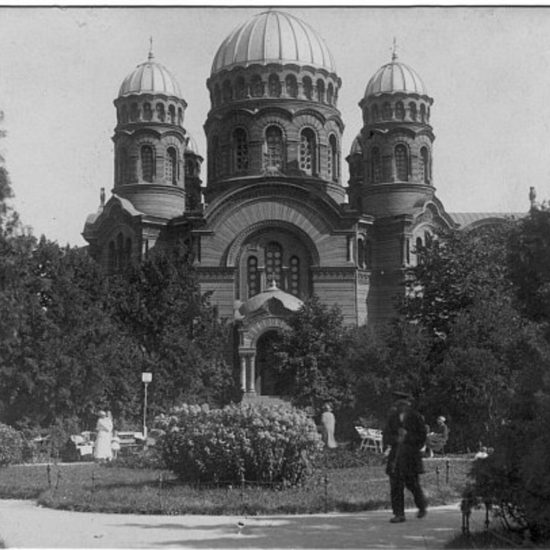
Architecture: Neo-Byzantine with golden domes, large iconostasis
The Nativity of Christ Cathedral is the largest Orthodox church in Riga and a major spiritual landmark of the city. Built in a grand Neo-Byzantine style between 1876 and 1883 during the Russian Empire, it features distinctive domes and rich decorative detail. It survived both World Wars and Soviet repurposing (when it was used as a planetarium) and was restored to religious use after Latvia regained independence. The cathedral remains an important center for the Latvian Orthodox community, housing notable icons and ornate interiors.
Location: Riga area
Activity: Active
Architecture: Classic Orthodox style
St. John the Baptist Orthodox Church is a historic Orthodox parish in Riga, closely associated with the Russian-speaking Orthodox community. The church is dedicated to St. John the Baptist and reflects classic Orthodox church design, emphasizing sacred space, iconography, and liturgical continuity. Over the years, it has remained an active place of worship, hosting regular services, feast-day observances, and community gatherings that support both spiritual life and cultural heritage.
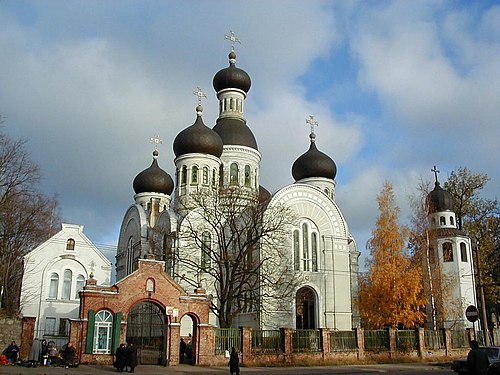
Location: Mazā Krasta iela 73
Activity: Active (Old Believers services)
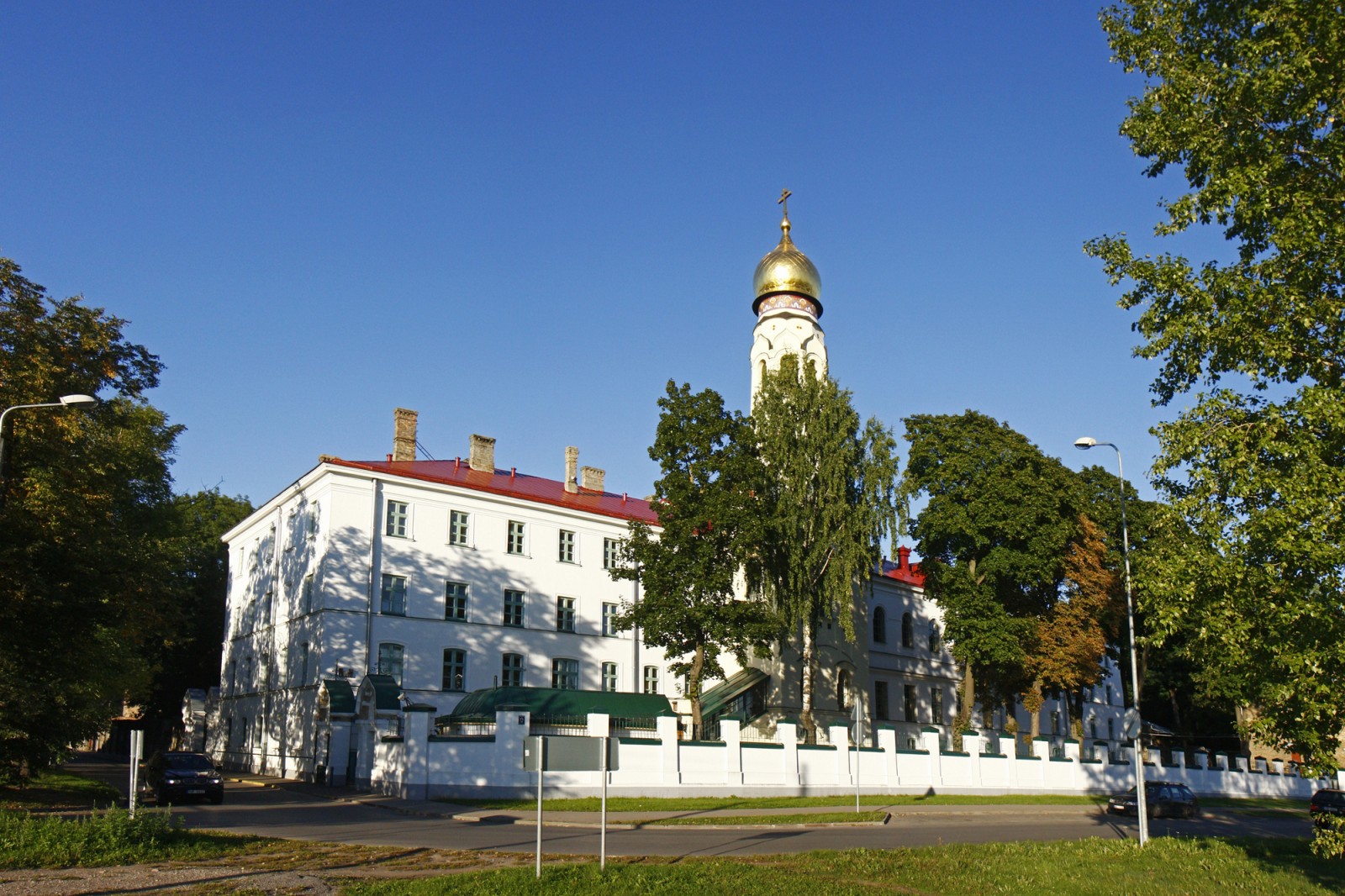
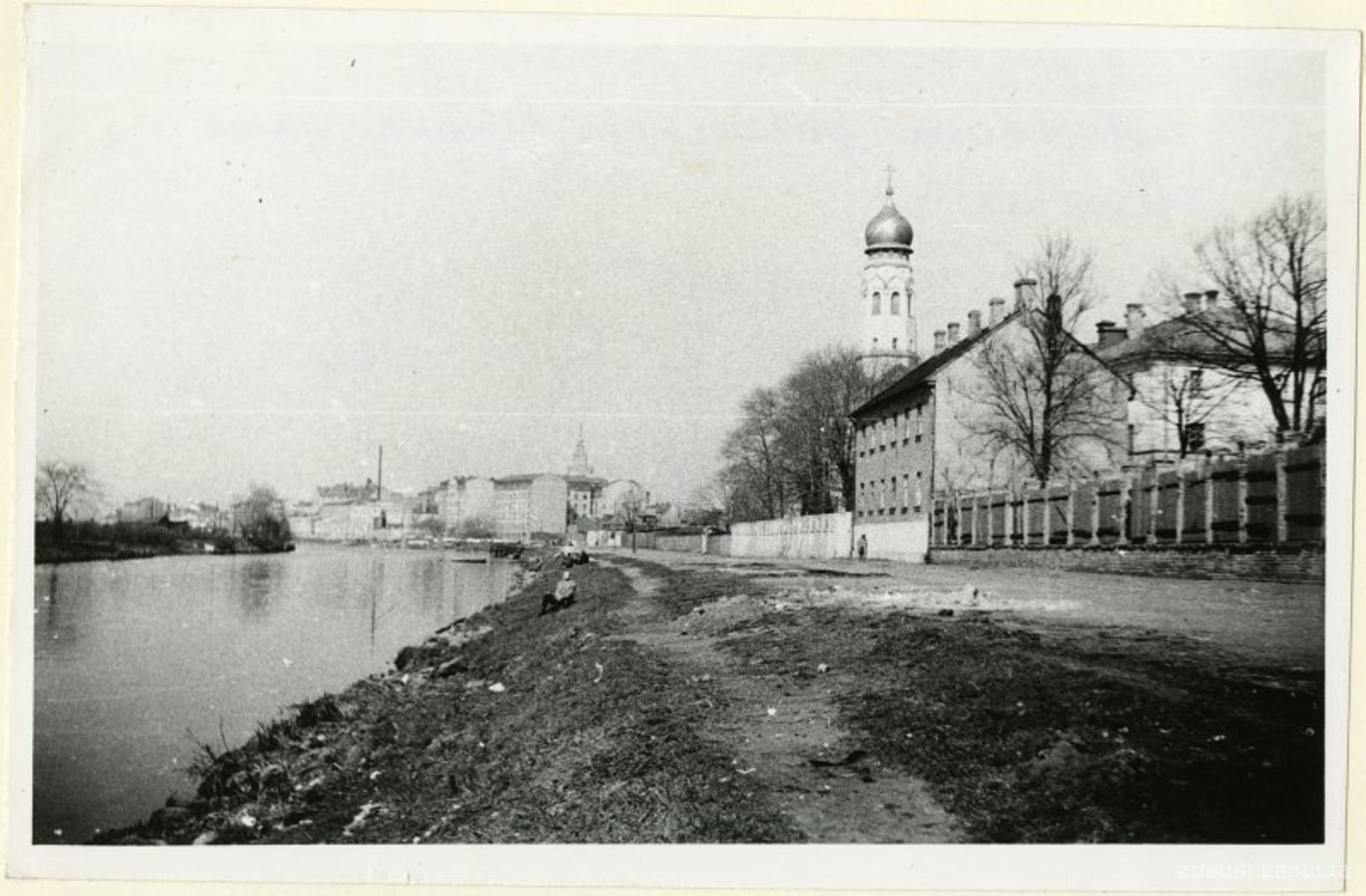
Architecture: Byzantine-influenced with a modest exterior, Art Nouveau tower
Old Believers’ House of Prayer is one of the oldest and largest Old Believer congregations in the world, with origins tracing back to the mid-18th century. The building on Mazā Krasta Street combines Byzantine architectural elements with an Art Nouveau-style tower capped by a golden onion dome. It serves the Pomorian Old-Orthodox Church tradition and holds a rich collection of icons, manuscripts, and liturgical objects. Services follow the ancient Old Believer liturgical practice, preserving centuries-old traditions within Riga’s diverse religious landscape.
Location: Katoļu 10a Rīga, LV-1003 Latvia
Activity: Active
Architecture: Orthodox style
All Saints Orthodox Church is one of Riga’s historic Russian Orthodox churches, closely connected to the city’s Orthodox community since the 18th–19th centuries. The present church building, completed in the late 1800s, reflects traditional Orthodox architecture with its domes and richly decorated interior. The church originally served worshippers connected to the nearby Orthodox cemetery and continues today as an active parish with regular liturgical services, feast-day celebrations, and community life centered on Orthodox traditions.
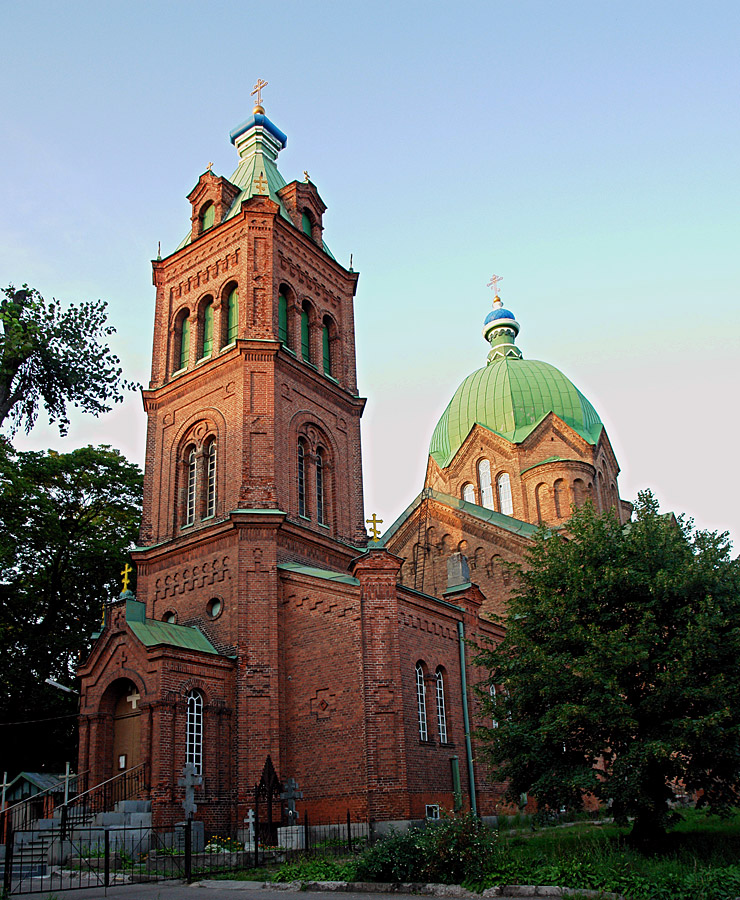
Location: Riga area
Activity: Active
Architecture: Orthodox
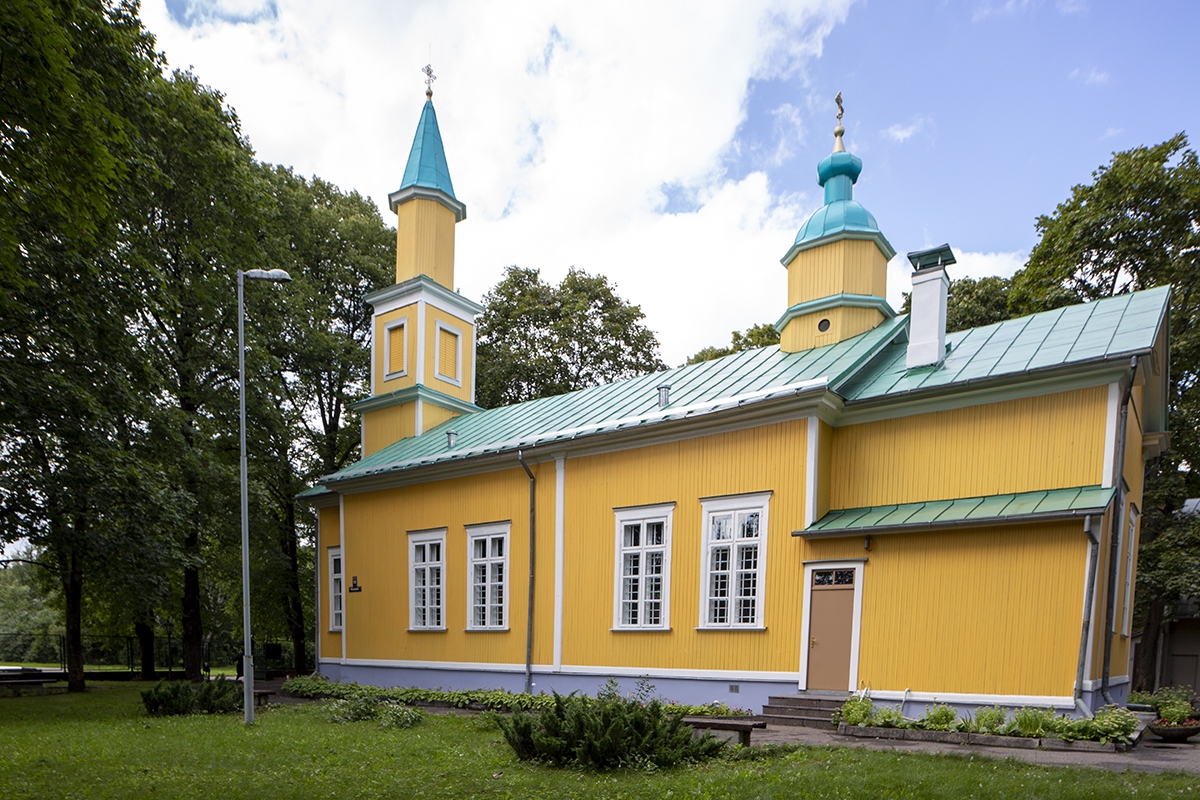
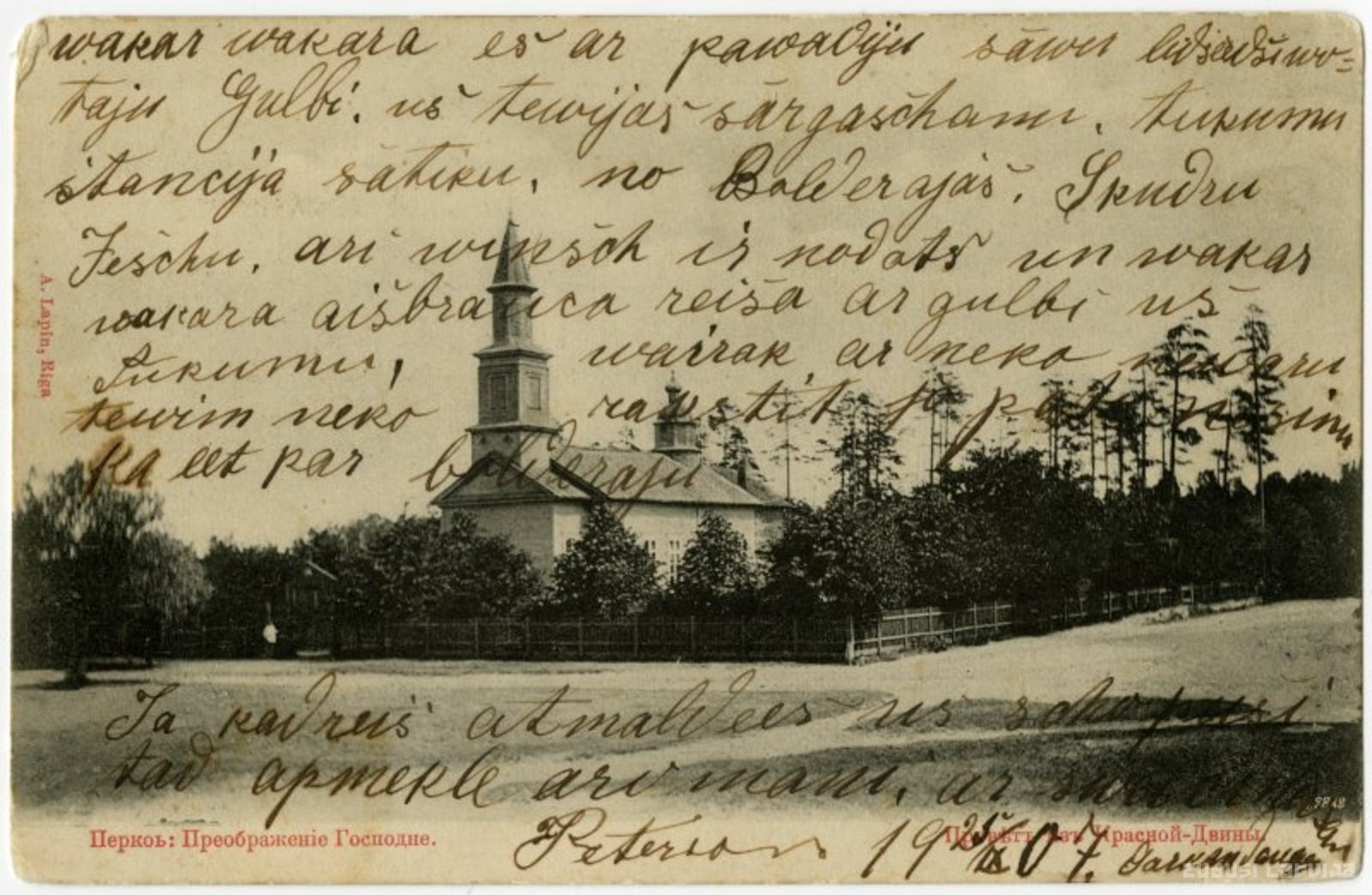
Transfiguration Orthodox Church is one of Riga’s oldest Orthodox churches, with origins dating back to the early 18th century. Dedicated to the Feast of the Transfiguration, the church holds special significance in the history of Orthodoxy in Latvia. Its architecture and interior reflect centuries of development, including traditional icon screens and liturgical furnishings. Today, the church continues to serve as a vibrant parish, maintaining long-standing Orthodox traditions while welcoming worshippers from across the city.
©2025. All Rights Reserved.
Designed by WiFight