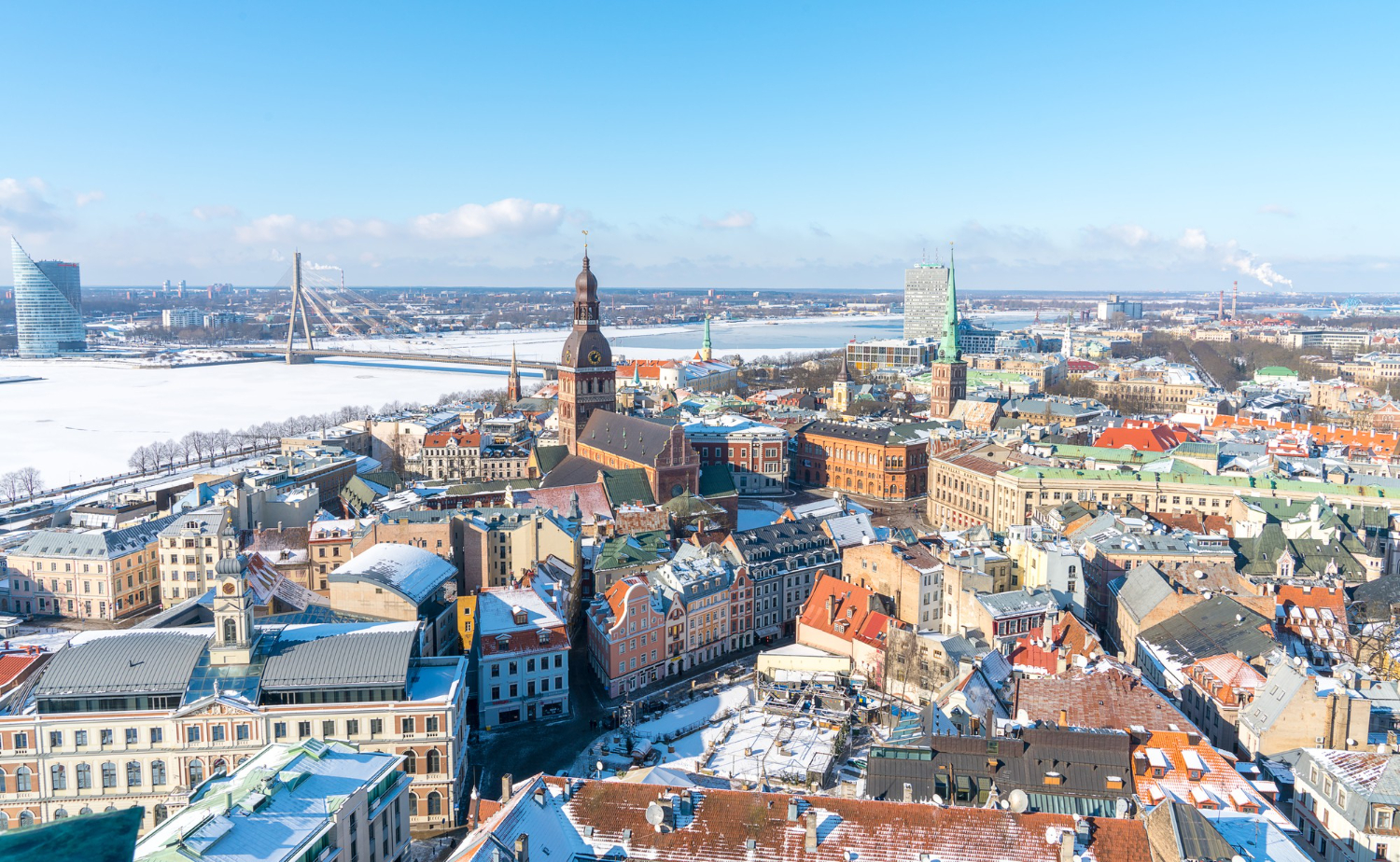
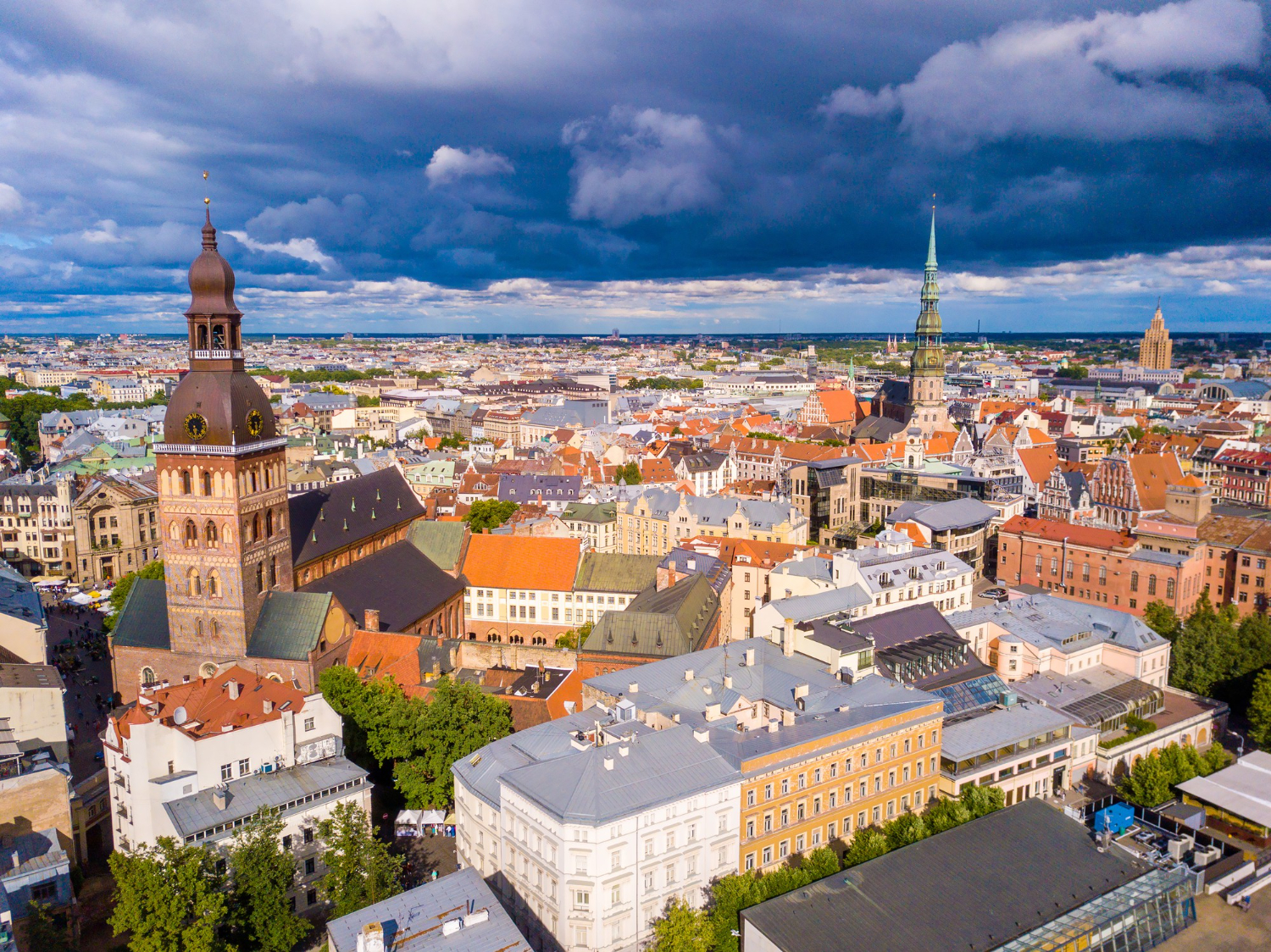
By exploring sites through historical periods, users can observe patterns of religious growth, architectural trends, and social change. For example, the medieval and Baroque periods highlight the dominance of Lutheran, Catholic, and Orthodox communities, while 19th-century developments show stylistic experimentation and urban expansion. The Soviet period illustrates the vulnerability of sacred spaces under political repression, and the post-independence era reflects the resilience of Riga’s faith communities and the city’s increasing religious pluralism.
This historical framework also supports research inquiries into the interaction between architecture, politics, and society. Users can compare how stylistic choices, construction techniques, and urban placement of buildings evolved in response to historical events, such as Hanseatic trade, Swedish and Russian rule, or Soviet secularization policies.
This subpage organizes Riga’s places of worship according to historical periods, offering a chronological perspective on the city’s religious development. The periods are broadly categorized as:
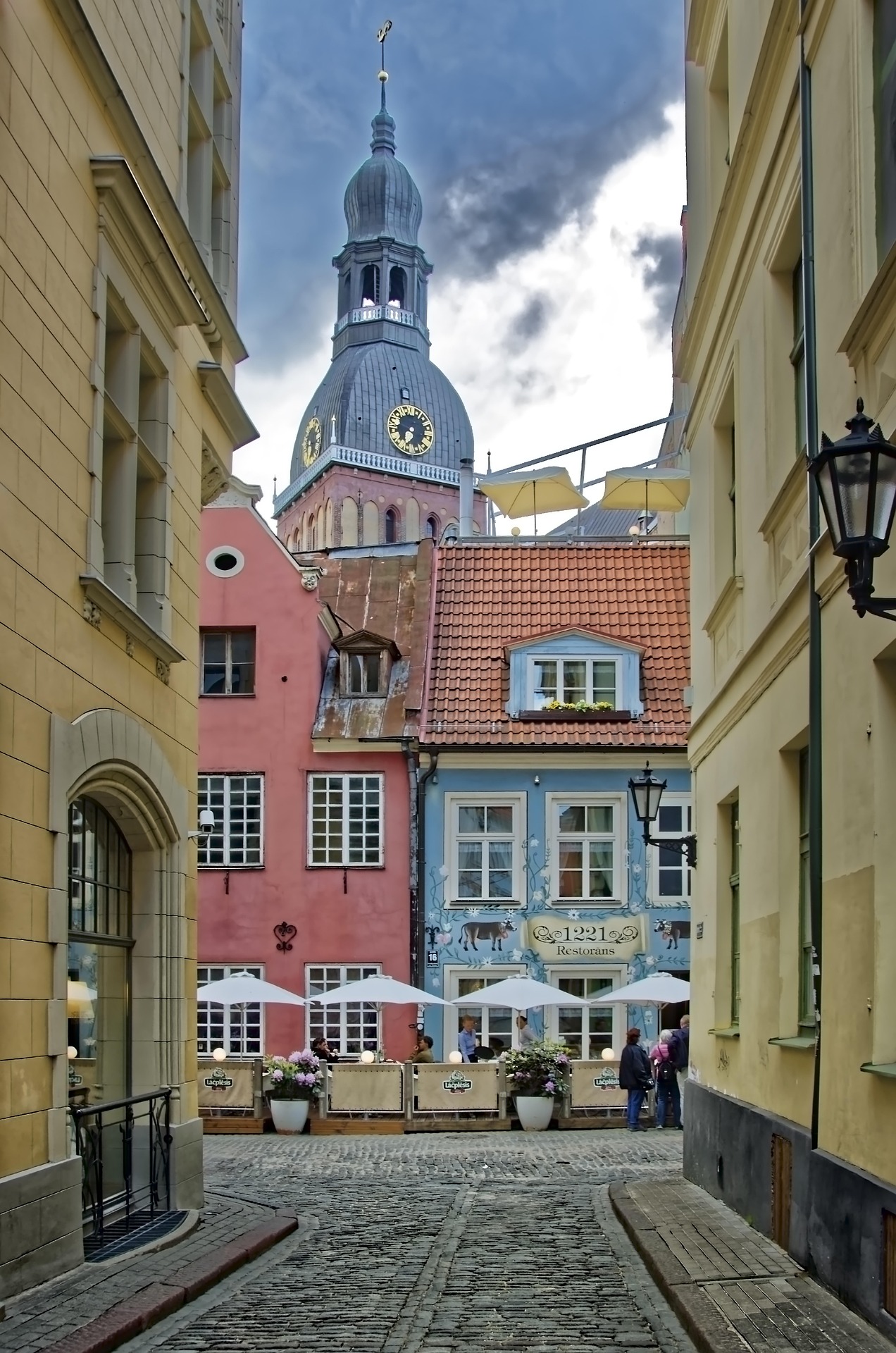
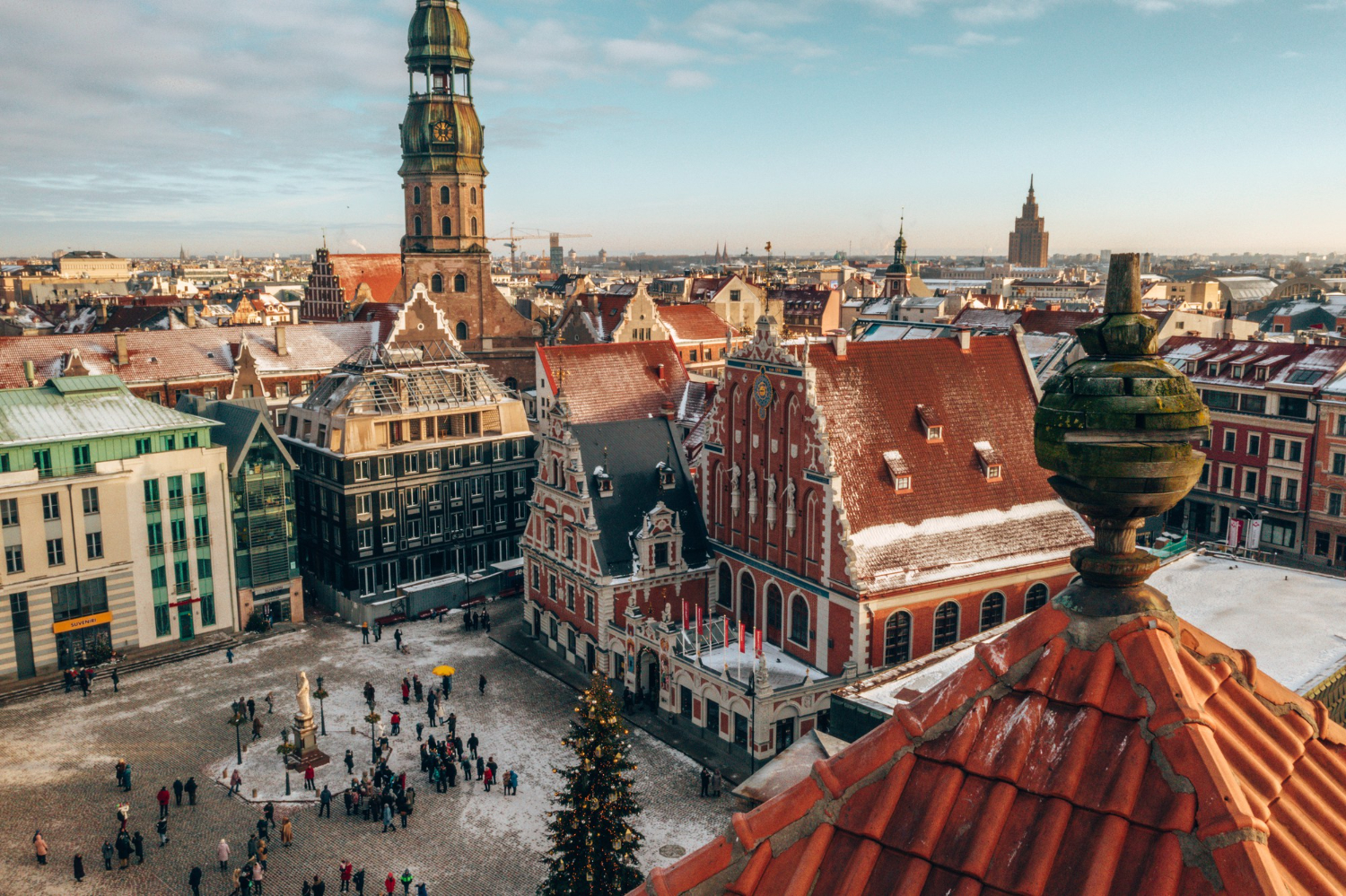
Medieval Foundations
Riga’s initial settlement, Hanseatic trade influence, and the construction of early Gothic churches.
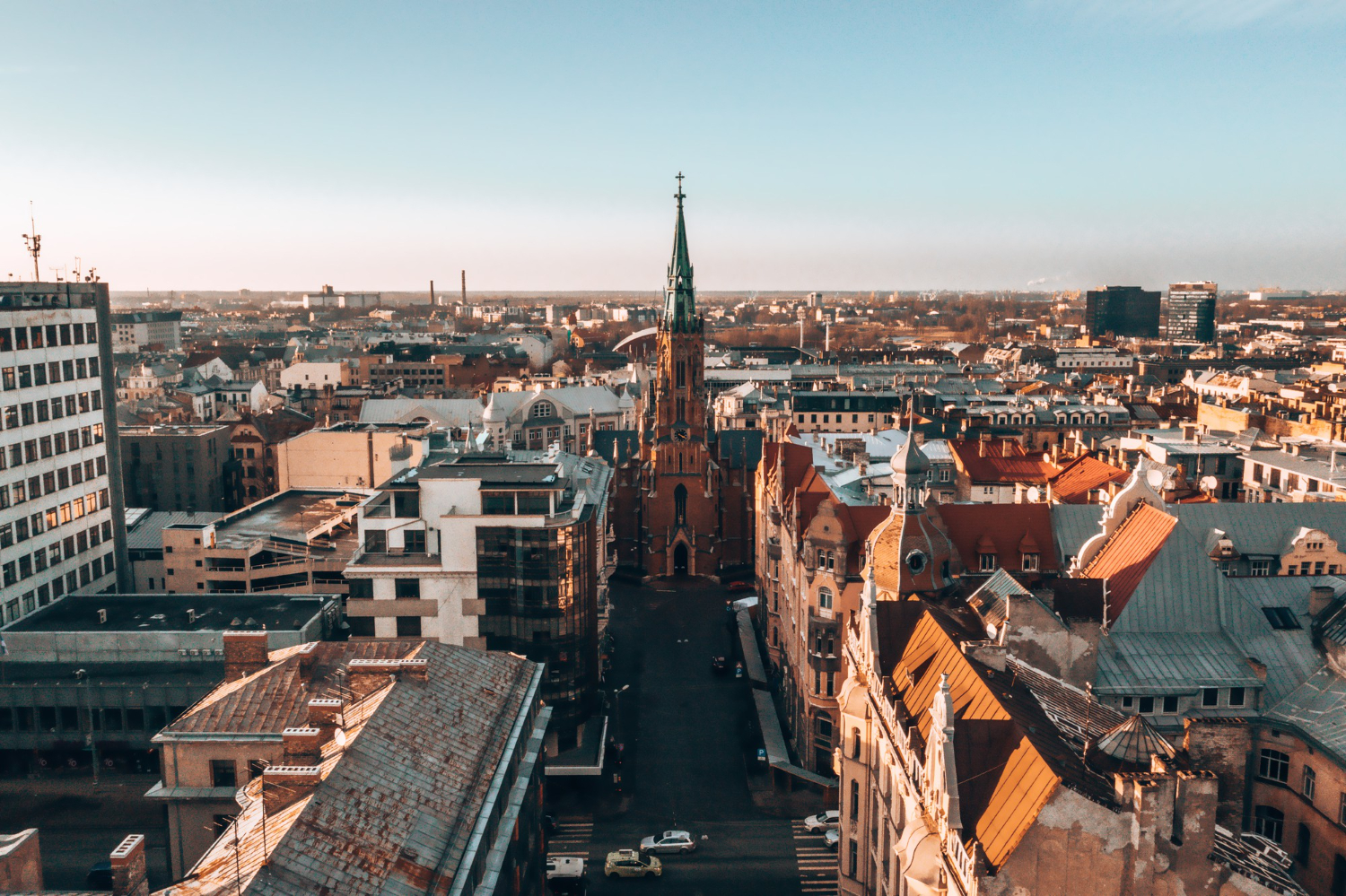
Baroque & Neo-Gothic Expansion
Decorative and structural enhancements during the Baroque period, followed by 19th-century Neo-Gothic architectural developments
Soviet Suppression
Closures, repurposing of churches, and demographic disruptions under Soviet rule.
Post-Independence Revival
Restoration of historical sites, construction of new places of worship, and growth of religious diversity across denominations.