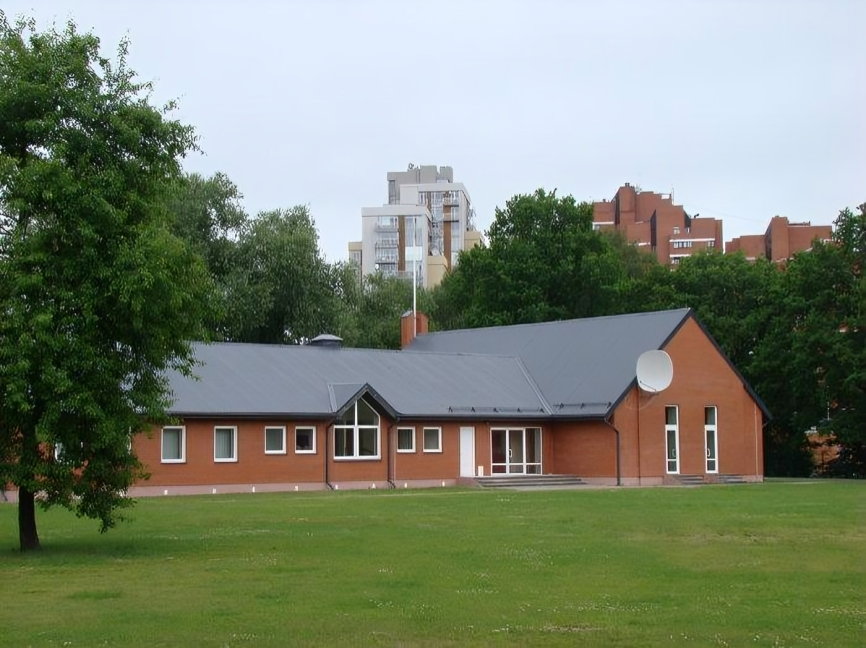
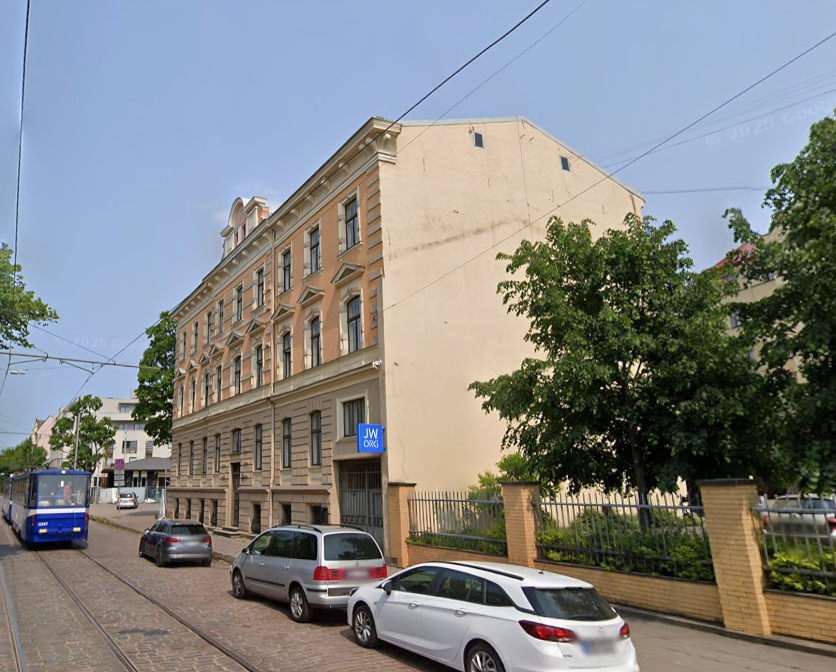
With Latvia’s restoration of independence in 1991, religious freedoms were reinstated, leading to a vibrant period of revival and diversification. Churches that had been closed or repurposed were restored, new religious communities were established, and previously marginalized or emerging faiths gained visibility. Modern construction supplemented historical buildings, accommodating expanding congregations and reflecting contemporary architectural trends.
The post-independence period also brought increased international connectivity. Globalization facilitated the introduction of new religious movements, cross-cultural exchange, and enhanced engagement with heritage preservation organizations. Lutheran, Catholic, and Orthodox churches continue to play central roles, while smaller communities—including Baptists, Methodists, and non-denominational groups—have established active congregations. Islamic and other minority faiths have begun to mark their presence, highlighting Riga’s evolving religious pluralism.
Architecturally, post-independence developments often combine restoration of historic sites with contemporary design. Renovated interiors feature modern liturgical furnishings, updated structural reinforcements, and integration of digital tools for visitor engagement. New buildings blend functionality with stylistic references to local tradition, contributing to the visual dialogue between old and new across Riga’s urban landscape. Today, the city is a layered mosaic of historical continuity and dynamic cultural adaptation, where Gothic spires overlook Art Nouveau façades and modern religious centers occupy spaces formerly used for secular purposes.